Why This Exists
Recipes tell you what to do. Your senses tell you when it's working.
Timers are helpful, but they only get you so far. The more you learn what to notice, the more cooking becomes a series of small, creative decisions: when to wait, when to adjust, and when to trust what's happening in front of you.
What traditional steps don't cover
Color
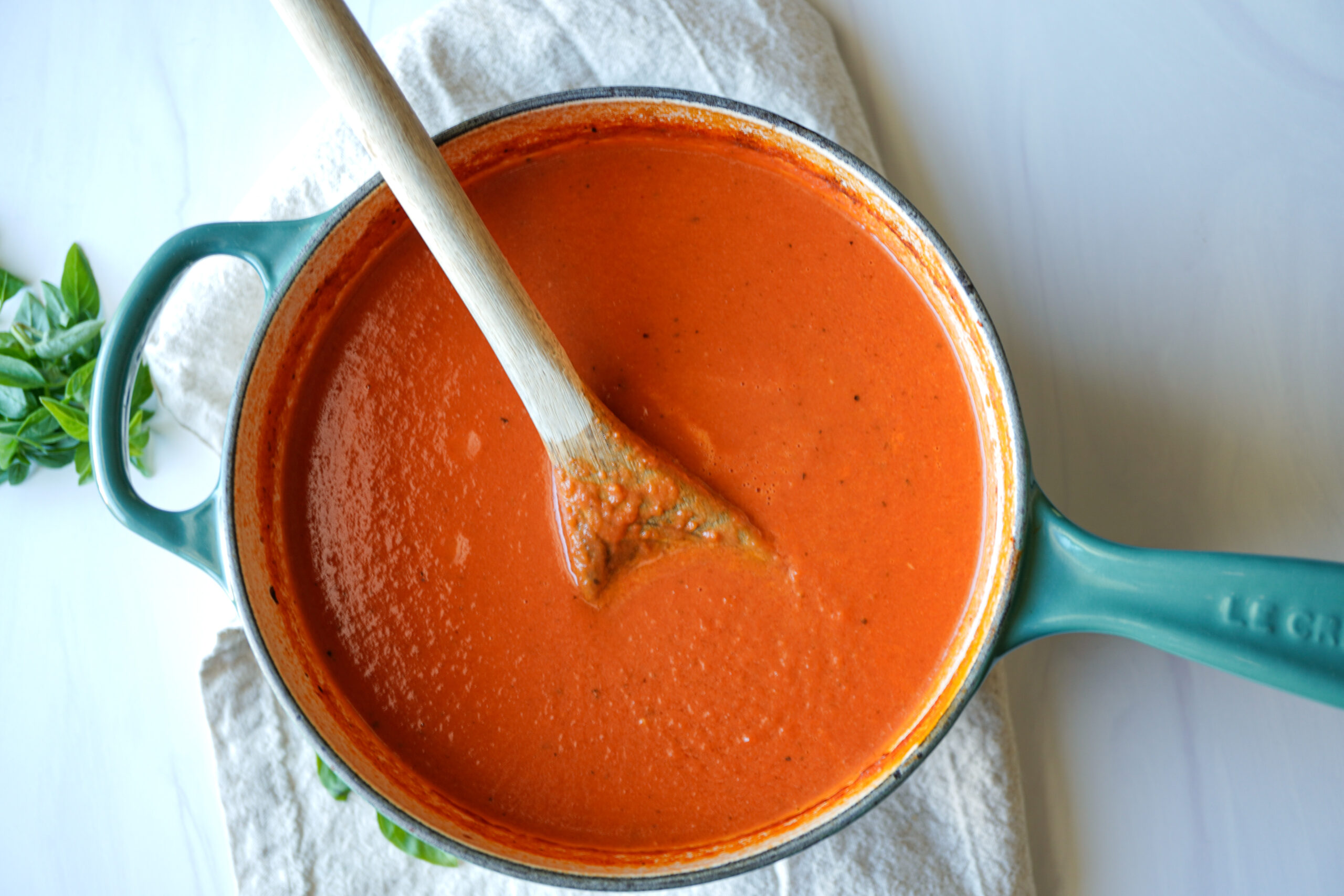
Look for golden edges, glossy sauces, deepened browning, or a brighter shade that tells you something has changed.
Texture
Notice what feels crisp, tender, thick, loose, creamy, or set — and whether it matches what you want the dish to become.
Aroma
Pay attention to what you smell first: toasty, fragrant, buttery, sharp, fresh. Your nose often knows before the timer does.
Seasoning
Taste for salt, acid, heat, and sweetness in balance—then adjust until the dish feels complete.
The cues in practice
A little more useful than "until done".
Think of these notes as gentle nudges toward your own judgment; ways to recognize what's ready, what needs adjusting, and what's already working.
Example
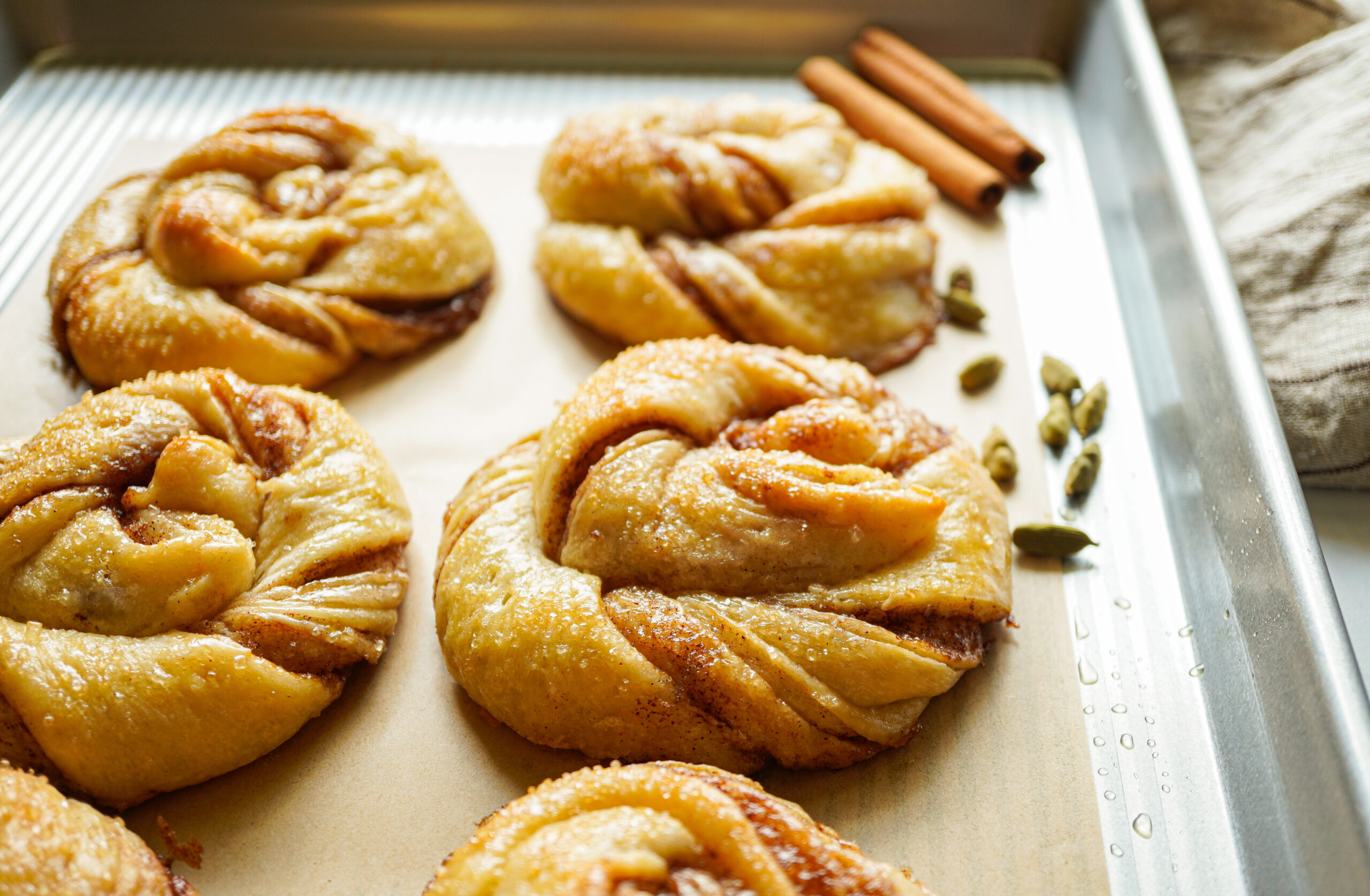
Swedish Cinnamon Buns
Golden-brown tops with the edges just beginning to pull away from each other.
Cardamom and butter hit the air about 5 minutes before they're done — trust that signal.
A gentle press on a proofed bun should spring back slowly — not snap back immediately.
The filling should taste warm, spiced, and just sweet enough before it goes in — that's your only chance to adjust it.
Margin Notes
Little lessons. Big difference.
Short reads, tips, and observations to help you cook with more confidence every day.
Browse All Notes →Deliciousness, Delivered